For Muslims around the globe, the arrival of the Islamic month of Dhul Hijjah brings a profound sense of spiritual anticipation. While millions of pilgrims gather on the plains of Arafah to perform the rites of Hajj, those of us at home prepare to honor one of the most sacred and enduring traditions of our faith: the Udhiya, also commonly known as Qurbani. This ritual sacrifice, performed in commemoration of Prophet Ibrahim’s (AS) absolute devotion to Allah, is far more than a mere culinary or cultural custom. It is a powerful act of worship, a lesson in detachment from material wealth, and a vital mechanism for community welfare.
However, for families living in New England, arranging the logistics of a religious livestock sacrifice can sometimes feel overwhelming. Navigating state agricultural guidelines, finding trusted local farms, understanding slaughter deadlines, and ensuring proper meat distribution requires careful planning. At Masjid Al-Mustafa, we believe that fulfilling a core pillar of your faith should never be a source of stress. As the central mosque in Waterbury, we are committed to streamlining this process, providing our community with the ethical, logistical, and spiritual framework needed to perform their sacrifices with absolute peace of mind.
1. Understanding the Core Fiqh Rules of Udhiya
Before diving into the logistics of how and where to arrange your sacrifice, it is essential to ground ourselves in the fundamental jurisprudence (fiqh) governing the Udhiya. Understanding these rules ensures that our worship is valid, sound, and fully aligned with the prophetic tradition.
First and foremost, the sacrifice must take place within a highly specific window of time. It can only begin *after* the completion of the Eid ul Adha prayer on the 10th of Dhul Hijjah. Any slaughter performed before the Imam concludes the prayer is considered standard meat for consumption, not a sacred Udhiya. The window remains open until sunset on the 13th of Dhul Hijjah, marking the end of the Days of Tashreeq.
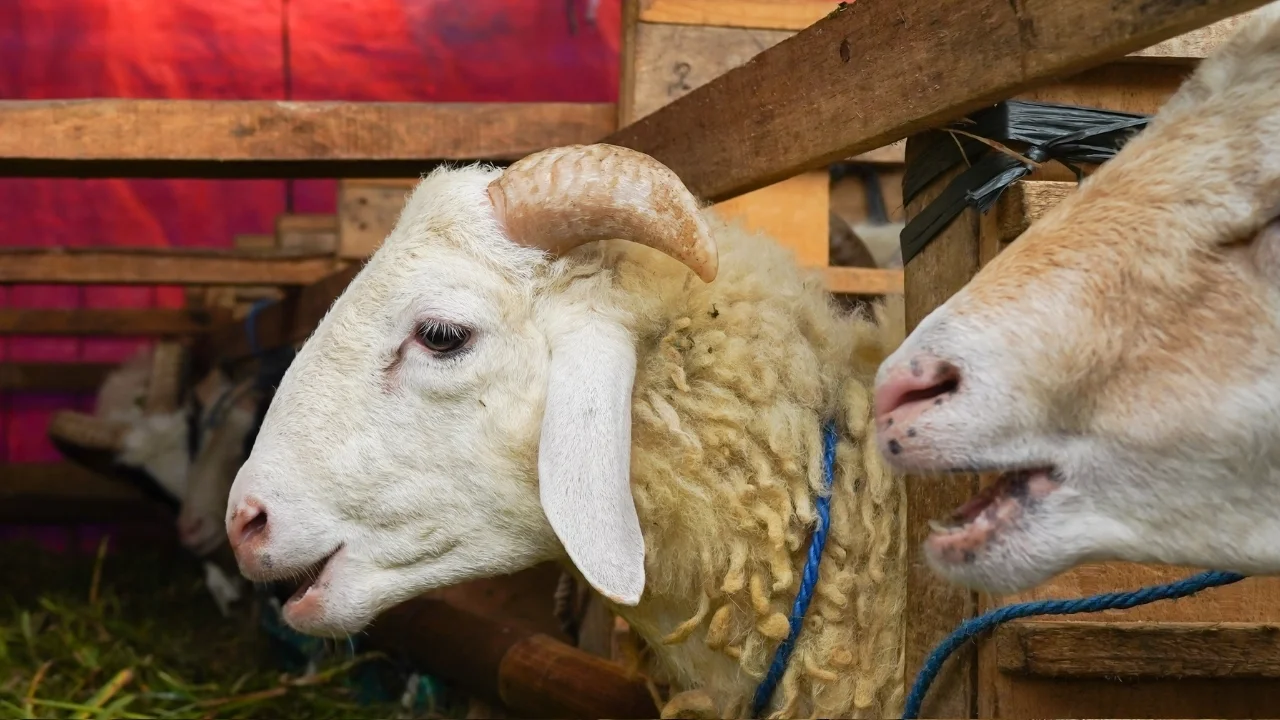
Secondly, the animal selected for sacrifice must meet strict health and age requirements. Prophets and scholars have emphasized that we must give from the best of what we have, not our leftovers. The animal, whether a sheep, goat, cow, or camel, must be free from obvious defects, illness, blindness, or severe limps. For local families navigating partnerships with Connecticut livestock farms, verifying these age standards (at least one year for sheep and goats, and two years for cattle) is a vital step that our community volunteers frequently help facilitate.
2. Local vs. Global Qurbani: Striking the Right Balance
With the rise of global humanitarian organizations, many local families choose to send their Qurbani funds overseas to regions suffering from extreme poverty, war, or famine. This is a beautiful and highly rewarded act that ensures high-quality nutrition reaches those who need it most desperately. However, Islamic scholars have traditionally emphasized the profound blessings of performing at least one sacrifice locally whenever possible.
Performing your Udhiya close to home allows your family to witness the sacrifice, participate in the distribution of the meat, and live out the physical Sunnah. It transforms the ritual from an abstract digital transaction into a tangible, memorable life experience. At Masjid Al-Mustafa, we encourage families to consider splitting their intentions if their financial means allow: utilizing trusted international agencies to feed the global Ummah, while maintaining a local sacrifice to nourish our immediate neighbors and keep the tradition alive in New Haven and Litchfield counties.
3. Educating the Next Generation on Ethical Stewardship
One of the greatest benefits of navigating the local Qurbani process is the educational impact it has on our youth. In an era of mass-produced, packaged supermarket foods, children easily become disconnected from the reality of where their food comes from and the sacred life of the animals that sustain us. Experiencing an ethical, halal sacrifice teaches them the profound concepts of Islamic environmentalism and animal welfare (Ihsan).
Through the holistic curriculum at our islamic school in Waterbury, we ensure our students understand that halal is not just a dietary label; it represents an entire system of compassion, cleanliness, and respect for creation. By involving children in the process, showing them how the animal is treated gently, kept calm, hidden from the sight of other blades, and sacrificed with the mentions of Allah’s name, we build a generation that approaches consumption with deep mindfulness and immense gratitude.
4. How Masjid Al-Mustafa Simplifies the Process
To alleviate the logistical burdens facing local families, Masjid Al-Mustafa acts as a coordinating bridge between the Muslim community and certified regional farms. Our teams work diligently in the months leading up to Eid to vet facilities, confirm halal slaughter compliance, and secure fair group pricing for our congregants.
By organizing collective booking options, we remove the guesswork for busy parents. Whether you are looking to purchase a full share of a lamb or take a portion of a larger bovine sacrifice, our community desk provides clear paperwork, scheduled slaughter slots, and designated pick-up windows at the Masjid. This collective approach not only ensures strict adherence to Islamic guidelines but also respects state regulations, making the entire experience smooth, clean, and organized.
5. The Ethics of Meat Distribution: Nourishing Our Neighbors
The beauty of Eid ul Adha culminates in how the meat is shared. The classical prophetic guidance divides the Udhiya into three equal parts: one-third for the immediate household, one-third as gifts for friends, extended family, and neighbors, and one-third as pure charity for the poor and vulnerable. This distribution model ensures that the joy of Eid penetrates every layer of society.
Masjid Al-Mustafa manages a dedicated cold-storage and distribution network during the days of Eid. Families who perform their sacrifice locally can drop off their charitable third directly at the Masjid. Our volunteers then package and distribute fresh, high-quality meat to local families in need, refugees settling in Connecticut, and local food pantries. This system ensures that your act of worship directly alleviates food insecurity within your own hometown, strengthening the bonds of social brotherhood.
Conclusion: A Sacrifice Accepted, A Community United
Ultimately, the Udhiya is a mirror reflecting our internal state of guidance and submission. As Allah tells us beautifully in the Holy Quran: “Their meat will not reach Allah, nor will their blood, but what reaches Him is piety from you.” (Surah Al-Hajj, 22:37). The logistics, the packaging, and the portions are merely the physical vessels for an underlying devotion.
Whether you are performing your Qurbani locally through the networks organized by Masjid Al-Mustafa or sending your support across the globe, we pray that your intentions are purified and your sacrifices are accepted. Let us utilize this sacred season to feed our spirits through devotion, and feed our communities through boundless generosity.
Masjid Al-Mustafa: Working together to keep the prophetic legacy thriving in our community.