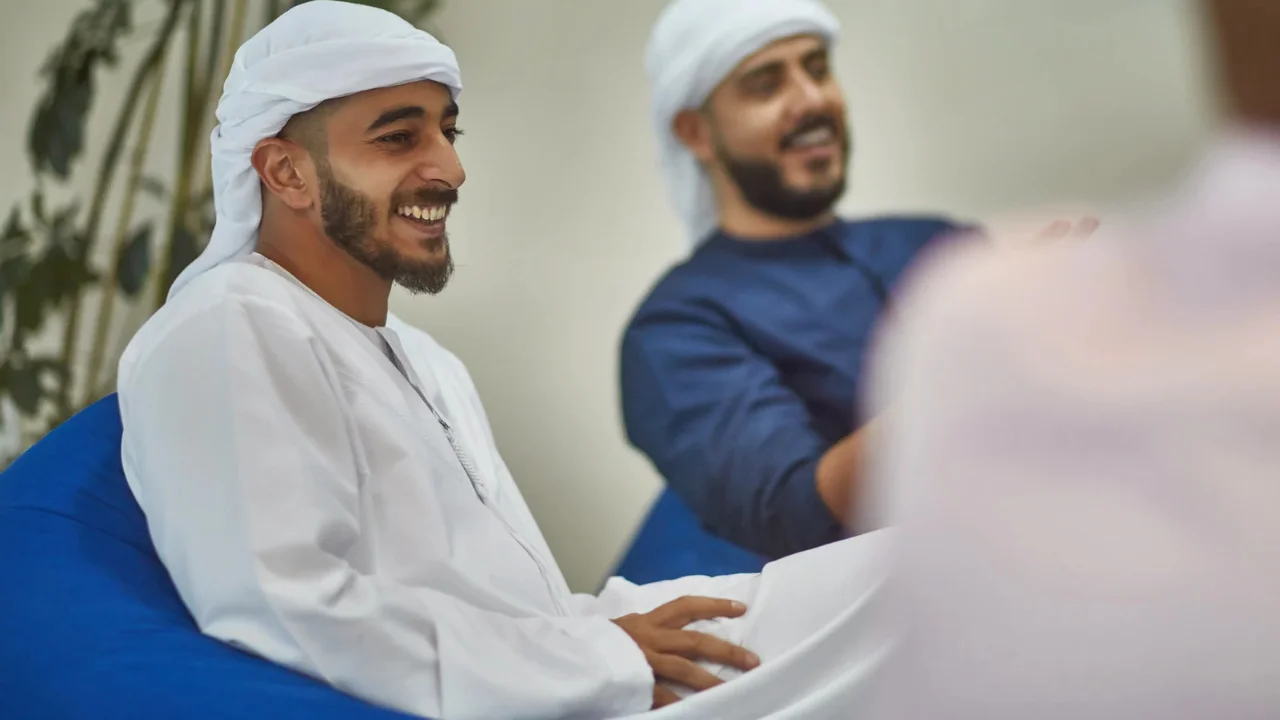
In an era where media headlines frequently amplify division and misunderstanding, genuine human connection at the local neighborhood level remains the strongest antidote to social friction. Often, misconceptions about different faiths persist simply because neighbors have never had an inviting opportunity to sit together, share a warm cup of tea, ask honest questions, and discover their shared human values. When communities remain isolated behind unfamiliar doors, assumptions easily fill the silence, preventing the natural friendships and civic partnerships that make a city truly thrive.
In Islamic tradition, warmth toward neighbors, generous hospitality, and peaceful coexistence are sacred moral duties rather than optional social courtesies. The Prophet Muhammad (peace be upon him) emphasized treating neighbors with kindness and respect regardless of their background or belief, teaching that true faith radiates outward through goodwill toward all of humanity. Living out this timeless prophetic example is a cornerstone of community life at Masjid Al-Mustafa. As an open, welcoming mosque in Waterbury, our center regularly opens its doors to local residents, faith leaders, educators, and civic partners to foster mutual respect, transparent dialogue, and lasting neighborhood unity.
1. The Sacred Prophetic Tradition of Hospitality and Neighborliness
Hospitality (Diyafah) holds an honored place in Islamic ethics. From the earliest days of prophetic history, welcoming guests with an open heart, sharing nourishing meals, and ensuring visitors feel safe and respected have been hallmarks of sincere faith. The Quran reminds humanity that we were created into diverse nations and tribes specifically so that we might come to know, understand, and appreciate one another rather than remain strangers.
Throughout history, the mosque has served not only as a sanctuary for daily prayer, but also as a civic gathering space where delegations, neighbors, and seekers of knowledge were received with grace and dignity. By upholding this open-door heritage today, Masjid Al-Mustafa demonstrates that spiritual devotion and warm civic engagement reinforce one another naturally. Welcoming neighbors across our threshold turns abstract ideals of peace into tangible, everyday friendship.
2. Demystifying Daily Worship Through Community Open Houses
For many local residents who have never stepped inside an Islamic center, curiosity is often accompanied by hesitation. Visitors sometimes wonder what happens inside a prayer hall, whether non-Muslim guests are allowed to observe prayers, what attire is appropriate, or how daily worship is structured. Community open houses remove these invisible barriers by extending a clear, friendly invitation to explore and learn in a relaxed atmosphere.
During open house gatherings, guests are greeted at the entrance by friendly community volunteers who offer guided tours of the prayer hall, educational classrooms, and community spaces. Visitors get to observe a live congregational prayer, listen to the melodic recitation of the Quran with English translation, and learn the meanings behind daily rituals such as ablution (Wudu) and prostration. Experiencing the calm, reflective atmosphere firsthand replaces unfamiliarity with genuine appreciation and comfort.
3. Honest Conversations and Ask-a-Muslim Dialogue Sessions
Meaningful bridge-building requires creating a judgment-free environment where people feel completely comfortable asking sincere questions without fear of offending anyone. Structured dialogue panels and informal table conversations allow neighbors to explore topics ranging from family values and charity to fasting during Ramadan, dietary practices, and the role of Jesus and Mary in Islamic scripture.
When questions are answered openly, patiently, and with humility, stereotypes dissolve quickly. Neighbors frequently discover that Muslims share deep commitments to strong families, ethical business conduct, respect for elders, gratitude to God, and caring for vulnerable members of society. Even where theological beliefs differ, mutual respect flourishes when conversations are anchored in sincere listening and shared human dignity.
4. Uniting Across Faith Traditions for Local Civic Service
Dialogue becomes even more powerful when words are paired with shoulder-to-shoulder action for the common good of the city. Across Waterbury, churches, synagogues, civic organizations, and Masjid Al-Mustafa share a deep commitment to uplifting families facing economic hardship, food insecurity, or seasonal emergencies.
Collaborative initiatives such as joint food pantry drives, winter coat collections, neighborhood cleanups, and blood drives bring diverse congregations together around shared moral purpose. Working side by side to pack groceries for struggling families or restore a local park builds authentic trust that transcends formal speeches. Through collective service, neighbors recognize one another as dedicated partners working together to make the entire community safer, healthier, and more compassionate.
5. Empowering Youth and Families as Ambassadors of Goodwill
Interfaith open houses and civic partnerships also offer invaluable educational experiences for young people. When children and teenagers see their parents and community elders welcoming guests with warmth, articulating their faith with confidence and grace, and collaborating respectfully with neighbors of different backgrounds, they absorb powerful lessons in citizenship and moral character.
Youth volunteers actively participate in open house events by serving refreshments, sharing artwork, presenting historical displays on Islamic contributions to science and literature, and welcoming visiting school groups. Engaging young minds in hospitality nurtures confident, articulate community ambassadors who feel proud of their heritage while remaining deeply connected to their broader neighborhood.
6. How Local Neighbors Can Visit and Connect Anytime
Building bridges is not limited to special annual events; Masjid Al-Mustafa welcomes respectful visitors throughout the entire year. Whether you are a curious neighbor walking past, a local teacher planning a world religions field trip, a civic leader seeking community partners, or a resident interested in learning more about Islam, our doors are open to you.
Visitors are invited to reach out ahead of time to schedule a personal tour, attend a Friday congregational service as an observer, or join an upcoming community dinner. Sharing a simple meal and honest conversation remains one of the most effective ways to turn strangers into lifelong friends.
Conclusion: Strengthening Our City One Conversation at a Time
A vibrant, resilient city is built upon trust, empathy, and open communication among all who call it home. By opening our doors, sharing our traditions honestly, and serving alongside our neighbors, we help cultivate a community culture defined by mutual respect and genuine care.
Masjid Al-Mustafa looks forward to welcoming many more neighbors, friends, and civic partners in the months ahead as we continue building bridges of peace, understanding, and shared goodwill across Waterbury.
Opening doors, sharing hospitality, and uniting neighbors in mutual respect and civic harmony.