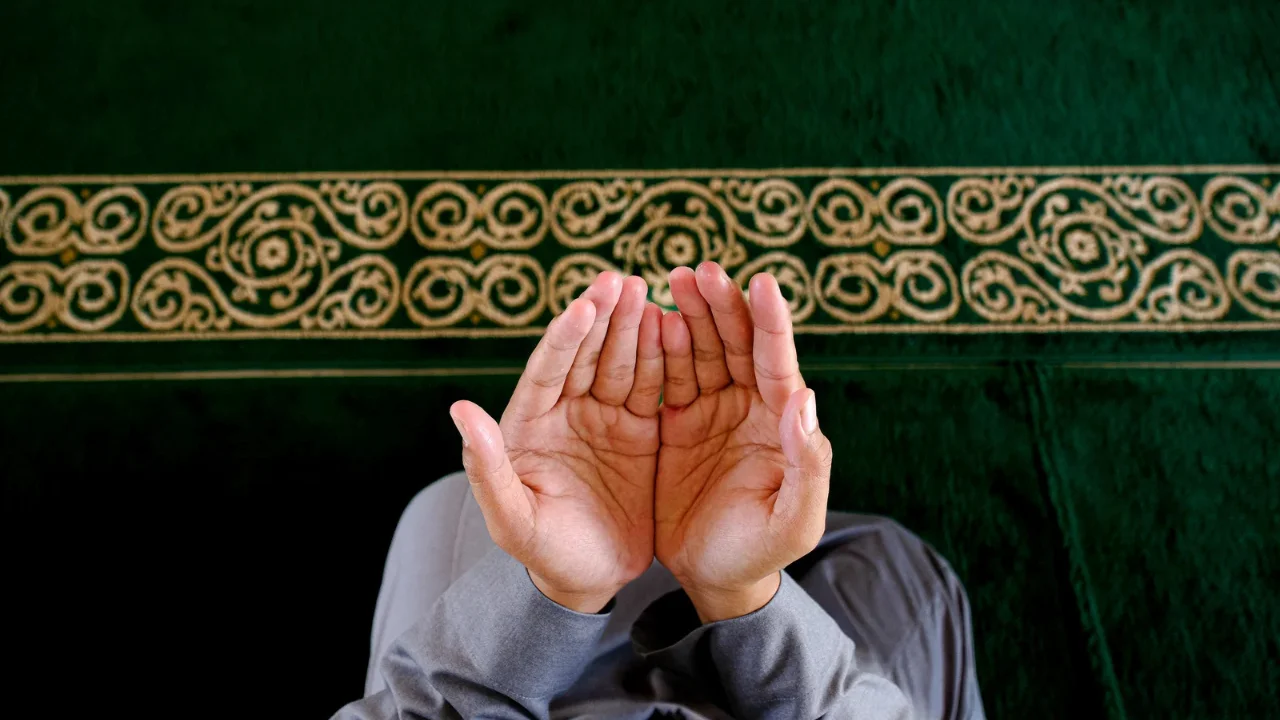
Taking your Shahada opens the door to a deeply fulfilling spiritual life, yet stepping into the practical rhythm of daily worship can initially feel intimidating for new Muslims. Among the five pillars of Islam, establishing the five daily prayers (Salah) is the central anchor of a believer’s day. However, when you are newly transitioning into the faith, trying to memorize Arabic phrases, master physical postures, remember the correct sequence of movements, and fit five prayer windows into a busy work or school schedule can feel overwhelming. Many reverts worry about mispronouncing words or losing their place mid-prayer, leading to unnecessary anxiety during what is meant to be the most peaceful part of the day.
It is essential to remember that Allah looks at the sincerity of your heart and the effort you invest, not linguistic perfection from day one. Learning to pray is a gradual, rewarding journey that every new believer walks step by step. Through dedicated mentorship circles and local Embrace Islam classes, new Muslims in Waterbury receive hands-on guidance, practical learning tools, and patient support to transform Salah from an intimidating task into a cherished daily sanctuary of peace and connection.
1. Embracing Gradual Progress Over Immediate Perfection
One of the greatest traps new Muslims fall into is expecting themselves to master every detail of prayer overnight. The Quran itself was revealed gradually over twenty-three years so that hearts could absorb its guidance steadily and comfortably. Similarly, your journey with Salah should follow a sustainable, step-by-step pace. Feeling clumsy or having to pause to check your notes during your first few weeks is a completely normal part of learning a new spiritual language.
Give yourself permission to be a beginner. Focus first on establishing the habit of pausing five times a day to face your Creator, even if your recitation is brief. Using a printed prayer guide, a smartphone app placed on a chair beside your mat, or phonetic transliteration cards is entirely acceptable while you memorize the core phrases. As your muscle memory develops through daily repetition, the movements and words will naturally become second nature.
2. Mastering Wudu: Preparing Body and Mind for Worship
Every prayer begins with Wudu, the ritual ablution that cleanses the body and prepares the mind to stand before Allah. Rather than viewing Wudu merely as a hygiene checklist, approach it as a mindful transition from worldly distractions into sacred presence. As cool water washes over your hands, mouth, nose, face, arms, head, and feet, intend to wash away daily stress, fatigue, and spiritual distractions.
To make Wudu effortless throughout a busy day, keep practical habits in mind. Wear socks after performing a complete Wudu in the morning so that you can simply wipe over the tops of your socks during subsequent ablutions at work or school, provided your original purification remains intact. Keeping a small travel towel and a dedicated water bottle in your bag or vehicle also makes freshening up quick and stress-free wherever your schedule takes you.
3. Breaking Down the Core Components of Salah
Understanding the underlying structure of Salah removes much of the confusion around memorizing sequences. Every unit of prayer (Rak’ah) follows a clear, rhythmic pattern of standing, bowing, and prostrating. Breaking your memorization down into small, manageable milestones prevents mental overload and builds steady confidence week by week.
Start by mastering the essential pillars of the prayer in logical stages:
- Stage One (Opening and Core Praise): Focus on saying “Allahu Akbar” (God is the Greatest) to begin, reciting Surah Al-Fatihah (the opening chapter of the Quran), and learning the short phrases said while bowing (“Subhana Rabbiyal Adheem”) and prostrating (“Subhana Rabbiyal A’la”).
- Stage Two (Sitting and Closing): Memorize the Tashahhud recited while sitting in the middle and end of the prayer, followed by the final greetings of peace (“Assalamu Alaikum wa Rahmatullah”) turned to the right and left shoulders.
- Stage Three (Enriching Your Recitation): Once the core structure feels comfortable, gradually add short chapters from the end of the Quran, such as Surah Al-Ikhlas, Surah Al-Falaq, and Surah An-Nas, to recite after Al-Fatihah in your first two units of prayer.
4. Integrating Five Daily Prayers into a Busy Modern Schedule
Balancing five prayer times alongside work shifts, university classes, family duties, and commuting requires thoughtful planning rather than sheer willpower. Look at your daily calendar and map out where each prayer window falls relative to your natural breaks. Dhuhr (midday) often aligns seamlessly with a lunch break, while Asr (late afternoon) can be offered right before heading home or during a brief afternoon pause.
Communicating respectfully with supervisors or professors early on often yields surprising support. Most workplaces and schools are happy to accommodate a quiet five-to-ten-minute break in an empty conference room, wellness space, or quiet corner. Keeping a compact, foldable travel prayer mat in your desk drawer or backpack ensures you are always prepared to step away for a brief spiritual reset without disrupting your professional responsibilities.
5. Cultivating Khushu: Finding Stillness and Presence in Prayer
As the physical postures and Arabic phrases become familiar, your focus can shift toward developing Khushu, which is deep mental presence, humility, and emotional connection during prayer. Modern life trains our minds to rush from task to task, so slowing down for five minutes requires deliberate intention. Before saying the opening Takbir, take two slow breaths, silence your phone completely, and remind yourself that you are standing before the Lord of the universe.
Learning the English meanings of the short Arabic phrases you recite transforms your inner experience. When you say “Guide us to the straight path” in Surah Al-Fatihah, pause internally to feel the weight of that request. Additionally, use the position of prostration (Sujud) to speak directly to Allah in your own native language after completing the standard Arabic praise. Pouring out your personal hopes, worries, and gratitude while your forehead rests on the ground turns Salah into a deeply personal, restorative conversation.
6. Learning Alongside Your Local Community
Practicing prayer alongside fellow believers accelerates your confidence in ways solo study never can. Standing shoulder to shoulder in congregational prayer allows you to follow the rhythm of the Imam, absorb the cadence of Quranic recitation naturally, and feel the uplifting energy of collective devotion. Even if you miss a transition or feel unsure of a silent recitation, praying in congregation carries your worship smoothly forward.
Never hesitate to ask a friendly community member or mentor to sit with you after prayer to review pronunciation or clarify a posture. Every born Muslim and seasoned revert remembers learning these exact steps, and sharing that knowledge is considered a tremendous blessing. Stepping into the prayer hall regularly anchors your weekly schedule and surrounds you with encouraging brothers and sisters who want to see you thrive.
Conclusion: A Lifelong Anchor of Peace and Purpose
Establishing your daily prayer routine is one of the greatest gifts you can give your soul. What begins as careful concentration over new words and movements steadily blossoms into an effortless, comforting rhythm that structures your entire day around mindfulness, gratitude, and divine connection.
Be patient with yourself, celebrate every small milestone in your learning, and never let minor mistakes discourage you from standing on your prayer mat. With consistency and sincere intention, Salah will soon become your favorite refuge from the noise of the world.
Guiding new believers step by step toward peaceful, confident, and lifelong devotion.