Modern life moves at a relentless pace. Between demanding work schedules, financial pressures, family responsibilities, and constant notifications from the digital devices in our pockets, many people find themselves living in a state of perpetual sensory overload and subtle anxiety. Over time, this continuous stress wears down our physical health, strains our relationships, and drains our emotional energy. While modern wellness trends suggest temporary fixes like digital detoxes, luxury retreats, or mindfulness apps, these approaches often treat only the symptoms of stress rather than its root cause. The human heart requires something far deeper to achieve true stillness: an authentic connection to its Creator within a peaceful, sacred environment.
In Islamic tradition, the house of Allah has always served as the ultimate refuge from worldly anxieties. It is a physical sanctuary designed specifically to quiet the noise of daily life and realign the soul with its true purpose. Visiting the central mosque in Waterbury provides local believers with an accessible, everyday oasis of tranquility. At Masjid Al-Mustafa, individuals and families find a welcoming space where they can step away from worldly burdens, disconnect from constant digital noise, and experience the profound peace that comes from congregational worship and divine remembrance.
1. The Sacred Architecture of Stillness and Dhikr
When a person steps across the threshold of a mosque, a subtle yet powerful transformation occurs. The physical environment is purposefully plain and free from commercial distractions, chaotic visual clutter, or loud ambient noise. Removing one’s shoes at the door serves as a physical and psychological ritual, symbolizing that the worries, status symbols, and frantic rush of the outside world are being left behind. Standing on the soft carpet in a quiet prayer hall immediately signals to the nervous system that it is safe to slow down.
The core of this internal peace lies in the practice of Dhikr, the conscious remembrance of Allah. The Quran explicitly promises that in the remembrance of Allah do hearts find rest. Whether sitting in quiet reflection after prayer, reciting the verses of the Quran, or softly repeating traditional words of praise, Dhikr gently lowers the mental volume of daily worries. In a world that constantly demands our attention and performance, the sanctuary of the prayer hall offers a space where nothing is demanded of you except sincere presence before your Creator.
2. Congregational Prayer as a Built-In Stress Relief Routine
The structure of the five daily prayers (Salah) provides a brilliant, built-in mechanism for managing stress throughout the day. Rather than working continuously for eight or ten hours without a break, the Islamic schedule requires believers to pause at regular intervals. These five daily appointments with Allah act as natural spiritual pit stops, preventing emotional fatigue from accumulating over the course of the day.
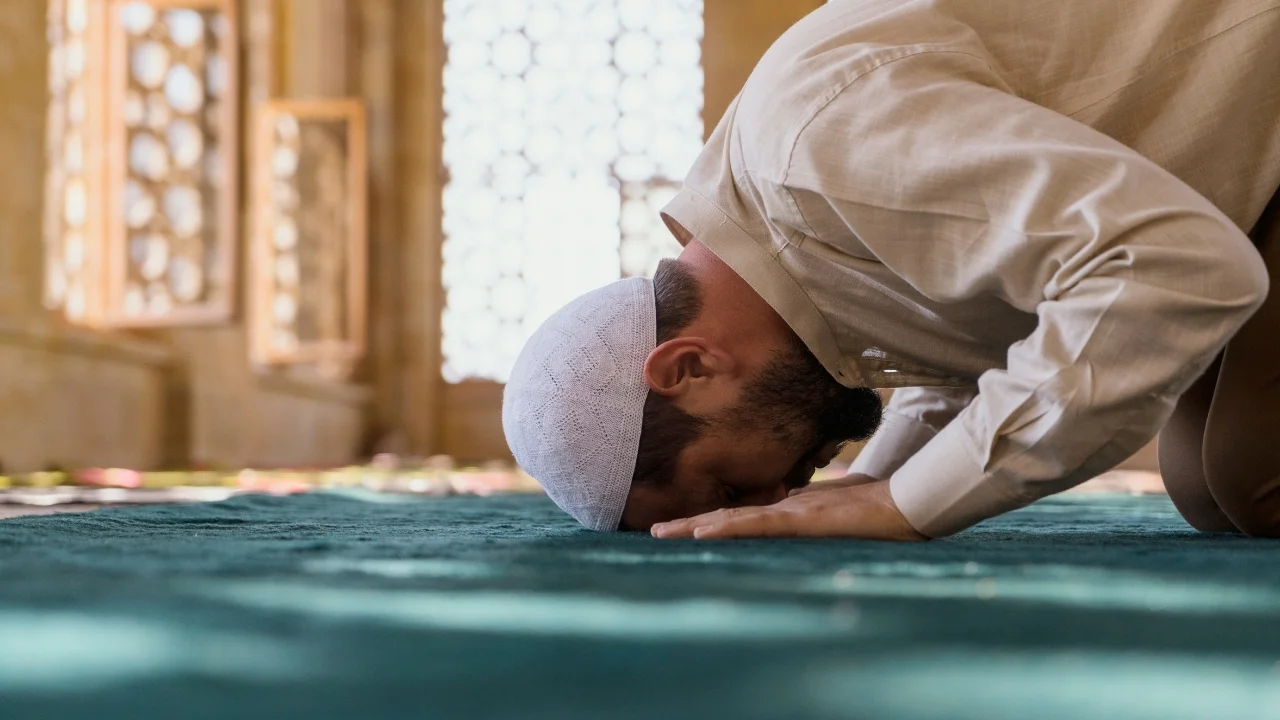
Participating in congregational prayer multiplies this stress-relieving effect. Standing shoulder-to-shoulder with fellow believers in neat, unified rows creates a profound sense of equality and shared purpose. In that moment, social status, wealth, and worldly troubles fade into the background. Following the calm, rhythmic movements of the prayer alongside the congregation helps lower heart rates and restore emotional balance. Prostrating on the ground (Sujud) offers a physical moment of surrender, allowing the believer to lay down their worries and place their full trust in Allah.
3. Grounding the Whole Family in Peace and Stability
Stress is rarely an isolated individual experience; it affects entire households. Children absorb the anxieties of their parents, while students face their own unique academic and social pressures. To build a resilient family unit, parents need environments that reinforce emotional well-being and moral stability for their children on a daily basis. When a child sees their parents turning to prayer and reflection during difficult times, they learn a lifelong lesson in healthy emotional coping mechanisms.
This holistic approach to family well-being is closely supported by our full-time islamic school in Waterbury. Operating in harmony with the local house of worship, this educational setting ensures that students experience the same spiritual calm in their academic lives that they do at home. Children learn to manage academic stress through prayer, Quranic reflection, and supportive mentorship. By surrounding young minds with positive peers and caring educators, families are provided with a complete network that protects their children from the anxieties of modern youth culture.
4. Overcoming Isolation Through Authentic Community Connection
Much of modern emotional stress is exacerbated by social isolation. Although people are more digitally connected than ever before, rates of loneliness remain exceptionally high. Many individuals carry heavy personal burdens in silence because they lack a supportive physical community where they feel truly seen, valued, and cared for. Virtual social networks often increase feelings of isolation by encouraging superficial comparisons rather than meaningful human connection.
Masjid Al-Mustafa counteracts this isolation by offering an authentic, welcoming social anchor. In the mosque, relationships are formed around shared faith, mutual respect, and genuine care. Sitting down after prayer to talk with a neighbor, sharing a cup of tea during community gatherings, or greeting a brother or sister with a warm smile restores a sense of human belonging. Knowing that you are part of a compassionate community that will celebrate your joys and support you during personal trials provides an invaluable emotional safety net.
5. Perspective Shift: Transforming Trials into Spiritual Growth
Perhaps the greatest source of peace found within a spiritual sanctuary is the shift in perspective it offers. When we are consumed by daily stress, minor problems can feel overwhelming, and unexpected setbacks can cause deep despair. The teachings offered within the house of Allah remind us of the bigger picture: this worldly life is temporary, trials are a natural part of the human experience, and every difficulty carries an opportunity for spiritual growth and forgiveness.
Through Friday sermons, educational halaqahs, and quiet study, believers are reminded of the prophetic examples of patience (Sabr) and absolute trust in Allah (Tawakkul). Learning how the Prophets navigated immense personal hardships with dignity and hope provides practical inspiration for our own lives. When we align our personal difficulties with divine wisdom, panic yields to patience, and confusion gives way to quiet confidence, allowing us to face life’s uncertainties with an unshakeable heart.
Conclusion: Step Into the Tranquility of the House of Allah
If you are feeling overwhelmed by the demands of work, family life, or the general noise of the modern world, know that you do not have to carry that weight alone. Peace is not something you have to travel far to find; it is waiting for you in the quiet rows of congregational prayer and the peaceful atmosphere of your local community center.
Masjid Al-Mustafa stands as an open door for everyone seeking spiritual renewal, emotional comfort, and authentic connection. We invite you and your family to step inside, take a deep breath, leave your worldly worries at the entrance, and experience the timeless peace that comes from reconnecting your heart with its Creator.
Calming the mind, elevating the heart, and finding sanctuary in the presence of the Almighty.