In our modern world, constant connectivity and fast-paced schedules leave little time for quiet reflection. Many people carry an unspoken weight of stress, chronic anxiety, burnout, and emotional fatigue. While standard wellness strategies like meditation apps, lifestyle adjustments, and self-care routines offer temporary relief, they often miss the deeper spiritual needs of the human soul. The heart ultimately craves an unhurried, intimate connection with its Creator in a setting free from worldly noise and constant digital interruptions.
Islamic tradition offers a profound spiritual practice specifically designed to heal mental burdens and restore emotional clarity: Tahajjud, the voluntary night prayer. Observed during the final third of the night when the rest of the world is asleep, Tahajjud provides an extraordinary opportunity for intimate prayer, personal reflection, and deep emotional release. Attending evening programs, spiritual halaqahs, and night gatherings at the central mosque in Waterbury helps believers rediscover this transformative practice, offering an enduring source of hope, inner stillness, and spiritual renewal.
1. The Sacred Stillness of the Final Third of the Night
The night carries a unique, tranquil atmosphere that naturally calms the human nervous system. During the day, our minds are saturated with demands from work, family, social obligations, and constant phone notifications. This perpetual state of alertness keeps stress hormones elevated and mental energy depleted. Stepping out of bed in the quiet hours before dawn breaks that chaotic cycle, providing an immediate environment of peace and uninterrupted focus.
In authentic prophetic tradition, the final third of the night is described as a sacred window of divine proximity and mercy. It is a time when prayers are answered, sins are forgiven, and heavy hearts are comforted. Standing on the prayer rug while the rest of the world sleeps signals to your mind and soul that you are prioritizing what truly matters. This deliberate choice transforms quiet solitude from a feeling of loneliness into a rich, healing conversation with your Creator.
2. Emotional Catharsis: Laying Down Burdens in Sujud
Suppressing emotional pain, anxiety, and fear takes a severe physical and mental toll over time. Many people struggle to find a safe space where they can be entirely vulnerable without fear of judgment, misunderstanding, or social consequences. Tahajjud offers the ultimate sanctuary for emotional release, where you can express your deepest fears, tears, and hopes directly to Allah.
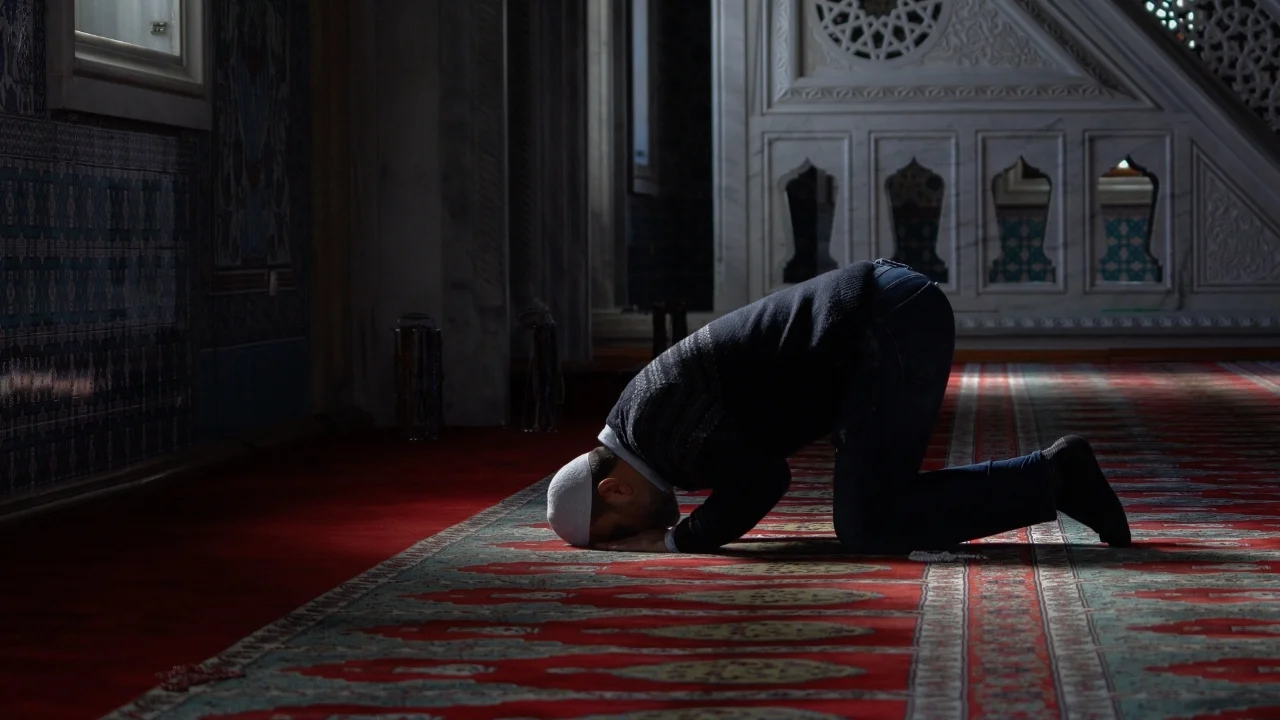
The position of prostration (Sujud) during night prayer is a powerful physical and emotional posture of surrender. The Prophet Muhammad taught that a servant is closest to Allah while in Sujud. Pouring out your heart in your native language during these quiet moments releases accumulated emotional pressure. Laying your head on the ground and surrendering your worries to the Almighty instills a deep sense of relief, reminding you that you do not have to carry the weight of the world on your own shoulders.
3. Calming the Mind: The Physiological and Psychological Benefits
Modern neuroscience and psychology increasingly recognize the mental health benefits of practices that mirror spiritual devotion. Slow, rhythmic movements during prayer, paired with melodious Quranic recitation and focused breathing, activate the parasympathetic nervous system. This physical relaxation response lowers heart rates, reduces cortisol levels, and relieves chronic physical tension held in the body.
Psychologically, Tahajjud breaks the destructive cycles of late-night overthinking and rumination. When people lie awake at night worrying about the future, negative thoughts tend to spiral out of control. Channeling that wakeful energy into voluntary prayer converts anxious energy into constructive spiritual reflection. Instead of feeling helpless in the dark, the believer takes active, comforting steps toward hope, emotional regulation, and mental clarity.
4. Cultivating Unshakeable Tawakkul (Trust in Allah)
A major root cause of modern anxiety is the illusion that we must control every outcome in our lives. When plans fall apart, financial pressures arise, or health concerns emerge, the feeling of losing control can trigger deep panic and despair. Tahajjud serves as an intense practical lesson in Tawakkul, the art of placing ultimate trust in divine wisdom and decree.
Consistently rising for night prayer shifts your mindset from self-reliance to divine reliance. You begin to understand that while you must exert reasonable effort during the day, the ultimate outcome rests with Allah. This cognitive shift relieves the overwhelming pressure to have everything figured out immediately. Knowing that you have presented your needs to the Sovereign of the heavens and the earth brings a calm, steady confidence that empowers you to face daily trials with resilience.
5. Building a Daily Routine for Long-Term Mental Wellness
Establishing a sustainable Tahajjud routine does not require staying up all night or causing extreme fatigue that disrupts your daily responsibilities. Starting small is the key to building a lasting, meaningful habit. Even waking up fifteen to twenty minutes before the Fajr prayer call provides ample time to perform ablution, pray two short units of voluntary prayer, and make heartfelt supplication.
Integrating night prayer into your routine naturally encourages healthier evening habits, such as going to bed earlier, limiting late-night screen time, and avoiding heavy meals late at night. Over time, these lifestyle shifts compound into improved sleep quality, sharper mental focus during the day, and a consistently peaceful emotional state. Through regular practice, night prayer becomes a cherished anchor that stabilizes your life through all of its changing seasons.
Conclusion: Step Into the Light of Divine Peace
If you are struggling with chronic stress, mental exhaustion, or overwhelming life challenges, know that a peaceful refuge is available to you every single night. You do not need extraordinary eloquent words or perfect circumstances to seek solace; you only need a sincere heart and a willingness to stand in prayer.
Tahajjud is a personal invitation from Allah to experience His comfort, mercy, and guidance when you need it most. Rise in the quiet of the night, place your worries before your Creator, and experience the life-changing tranquility that flows from night prayer into every area of your life.
Finding solace in the quiet hours and healing the heart through divine remembrance.