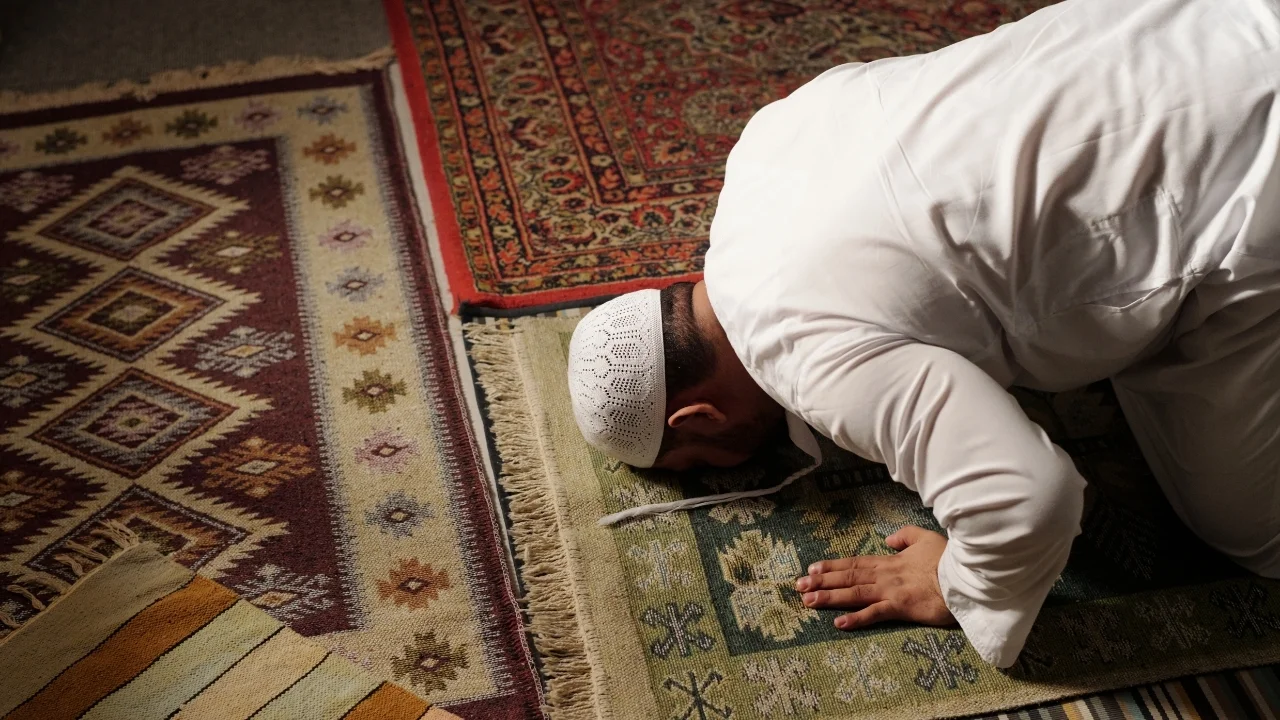
Embracing Islam is a moment of profound clarity, spiritual elevation, and personal transformation. When a person pronounces the Shahada, their heart experiences a deep sense of relief, having finally found its true purpose and connection to the Creator. However, as the initial emotional high of converting begins to settle into daily routine, many new Muslims face an unexpected and challenging reality: feelings of social isolation and cultural loneliness. Stepping into a completely new faith often means navigating shifted relationships with old friends, managing misunderstandings with non-Muslim family members, and attempting to adapt to unfamiliar cultural norms within the broader Muslim community.
This sense of feeling caught between two worlds is a very common experience for reverts across the globe. You may no longer feel at home in social environments centered around habits you have left behind, yet you may also feel hesitant or awkward stepping into unfamiliar community spaces where everyone seems to know each other already. Overcoming this hurdle requires recognizing that Islam was never intended to be practiced in solitude. Through our dedicated outreach programs and local Embrace Islam initiatives, we are committed to helping every new brother and sister transition from feeling like an outsider into building an authentic, lifelong spiritual family.
1. Understanding the Roots of Revert Isolation
To effectively address loneliness, it is helpful to understand why it occurs in the first place. For many new believers, converting to Islam involves significant changes in lifestyle, diet, social habits, and daily routines. Friends from your past may not understand why you no longer attend certain gatherings, or they may feel uncomfortable around your new boundaries. At the same time, family members may worry that you are distancing yourself from your heritage or culture. This can leave new Muslims feeling emotionally drained and socially vulnerable during a time when they need support the most.
On the other hand, entering the Muslim community can sometimes feel intimidating. Born Muslims often speak regional languages, use unfamiliar Arabic terminology, or follow cultural traditions that are not actually part of Islam itself. A new Muslim might worry about making mistakes during prayer or being judged for not knowing every detailed rule right away. Recognizing that these barriers are largely cultural rather than religious is the first step toward building confidence. Islam is a universal faith that transcends race, ethnicity, and background, uniting all believers under a single banner of brotherhood and sisterhood.
2. Finding Sanctuary in Your Local Community Hub
The most effective antidote to isolation is establishing a consistent, physical presence within the local house of worship. While online lectures, books, and social media forums offer valuable information, they can never replace the warm human connection of standing shoulder to shoulder with fellow believers in prayer. Attending congregational prayers helps dissolve social barriers and reminds us that we are all equal servants before Allah.
Establishing a regular routine at the central mosque in Waterbury provides a safe, welcoming environment where you can build genuine relationships at your own pace. Introducing yourself to the local Imam, joining weekly community halaqahs, or simply sitting in the prayer hall after services allows people to get to know you. Over time, these brief daily interactions bloom into deep friendships, offers to share meals, and a genuine network of brothers and sisters who celebrate your milestones and support you through life’s challenges.
3. The Power of One-on-One Mentorship
Navigating the practical details of living as a Muslim can feel overwhelming when attempted alone. From learning how to perform ablution (Wudu) and master the Arabic movements of prayer to finding halal food options and managing family events, having a knowledgeable guide makes the transition vastly smoother. Trying to learn everything at once from internet searches often leads to confusion and unnecessary hardship.
Connecting with a trusted peer mentor is one of the most effective ways to build confidence. A mentor acts as a personal buddy who sits beside you during prayers, answers your private questions without judgment, and helps introduce you to the wider community. Having even one conscious, experienced friend to text when you feel confused or overwhelmed transforms your journey from an intimidating struggle into a shared path of spiritual growth.
4. Creating a Holistic Ecosystem for Future Generations
As new Muslims grow firmer in their faith, their desire naturally expands from establishing their own personal routine toward creating a supportive, wholesome environment for their households. Revert parents often express concern about how to raise their children with a strong, confident identity in a society that frequently promotes conflicting values. They want their children to grow up feeling proud of their faith without experiencing the identity struggles they themselves may have faced.
Building this firm foundation for the next generation is supported through full-time faith-based education offered at our local islamic school in Waterbury. Within an environment that combines academic excellence with prophetic morals, children of both new and born-Muslim families learn and grow side by side. For revert families, this provides immense peace of mind, knowing that their children are developing lifelong friendships with pious peers, learning Arabic and Quranic studies, and building a firm identity that will serve them for the rest of their lives.
5. Shifting from Seeking Community to Building Community
As you grow more comfortable in your new faith, a powerful shift occurs when you realize that your unique perspective as a revert is a tremendous gift to the Ummah. New Muslims bring fresh enthusiasm, diverse life experiences, and unique skills to the community. You are uniquely positioned to empathize with other seekers, explain Islamic concepts to non-Muslim neighbors in relatable terms, and help bridge cultural divides within the local community.
Getting involved in volunteer projects, charity food drives, or event planning at the community center is one of the fastest ways to turn strangers into family. Working alongside others for a shared, noble cause creates deep bonds of affection and trust. By stepping forward to serve others, you cease to be just a visitor seeking community; you become an active builder of the very spiritual sanctuary that welcomes future generations home.
Conclusion: You Are Never Alone on This Path
If you are currently experiencing loneliness or struggling to find your place as a new Muslim, remember that your faith journey is deeply valued by Allah. You have been chosen to receive the light of guidance, and every effort you make to draw closer to Him is rewarded beyond measure.
Isolation is a temporary trial, not a permanent destination. Our local community is here to welcome you with open arms, provide practical guidance, and surround you with the warmth of genuine brotherhood and sisterhood. Step forward with trust, visit your local center, and take comfort in knowing that you have found your true spiritual family.
Surrounding new believers with warmth, guidance, and lifelong community support.