As the sacred days of Dhul Hijjah descend upon us during Hajj 2026, a unique spiritual climate envelopes the entire global Muslim community. In the holy lands of Makkah, Mina, Arafah, and Muzdalifah, millions of believers stand shoulder-to-shoulder, stripped of all worldly distinctions, chanting the timeless response of the pilgrim: “Labbayk Allahumma Labbayk” (Here I am, O Allah, answering Your call). It is a journey of ultimate surrender, designed to break the ego, wash away a lifetime of sins, and re-anchor the human soul to its divine source. The physical rituals of the pilgrimage trace back to the foundational sacrifices of Prophet Ibrahim (AS), establishing a spiritual legacy that has sustained our Ummah for centuries.
For those of us observing the live broadcasts from our homes in New England, watching the emotional scenes can evoke a deep, bittersweet longing. We feel the distance between our daily routines and the sacred plains of Arafah. However, it is vital to remember that the mercy of Allah is never limited by geography. The rituals performed by the pilgrims are not merely isolated historical enactments; they are cosmic signposts designed to teach us how to cultivate a sacred atmosphere within our immediate environments. At Masjid Al-Mustafa, the vibrant mosque in Waterbury, we challenge our community to treat this season not as passive spectators, but as active participants who bring the profound lessons of Hajj straight into their homes.
1. The State of Ihram: Cultivating Mindful Self-Restraint
Before a pilgrim can cross the boundary into the sacred territory of Makkah, they must enter the state of Ihram. Visually, this is represented by the simple, unstitched white sheets worn by men and the modest attire worn by women, erasing all societal divisions of wealth, class, and nationality. Spiritually, however, Ihram is a strict discipline of the mind and tongue. Once in Ihram, a believer is forbidden from engaging in arguments, using foul language, clipping their nails, harming a plant, or causing the slightest distress to any part of creation.
We can mirror this profound state of mindfulness within our own households during the ten days of Dhul Hijjah. Consider implementing a family-wide “Ihram of the Tongue” challenge. Sit down with your spouse and children to establish a firm household rule: for these ten days, there will be an absolute cessation of complaining, backbiting, bickering, or raising voices. When a conflict inevitably arises, family members are reminded of the sacred season and encouraged to respond with peace. This conscious cultivation of emotional intelligence and self-restraint transforms our homes from hectic domestic spaces into peaceful sanctuaries of divine remembrance.
2. The Act of Tawaf: Re-Centering Our Domestic Gravitational Force
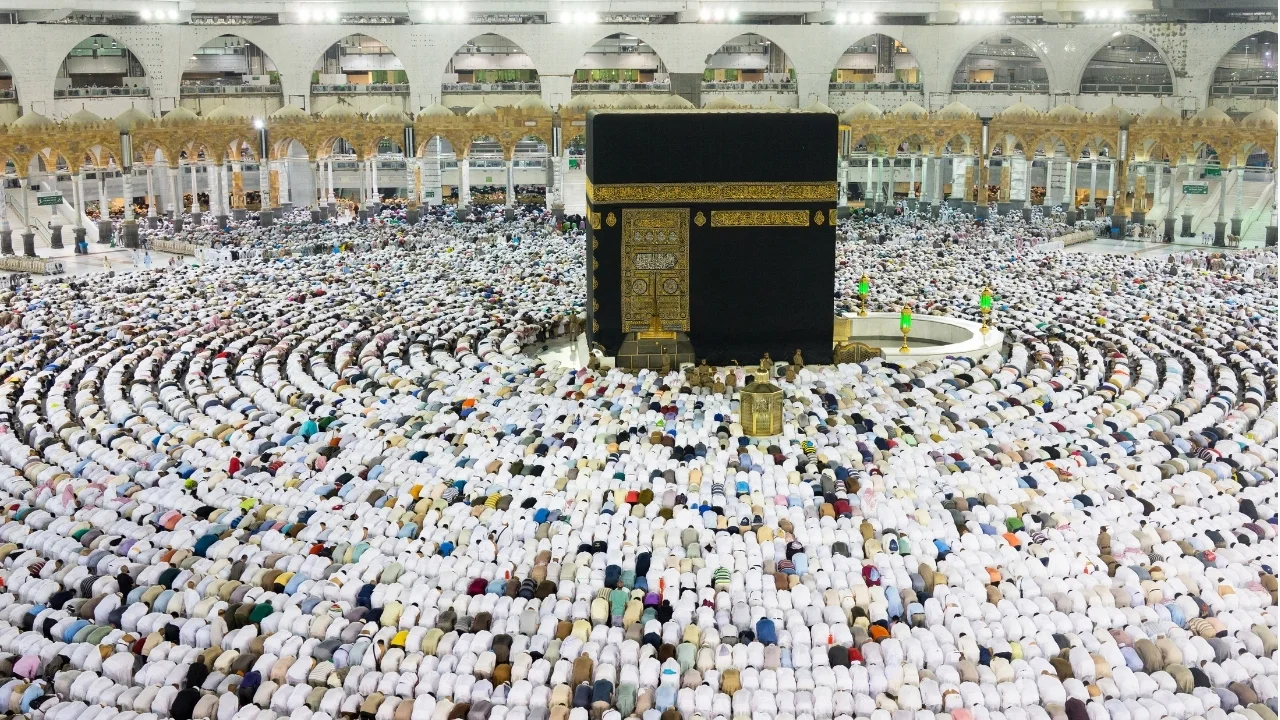
The image of millions of believers performing Tawaf, moving in continuous, rhythmic circles around the Holy Kaaba, serves as a beautiful visual metaphor for the structure of a believer’s life. The Kaaba stands stationary at the epicenter, while the entire world moves around it. By participating in this perpetual circumambulation, the pilgrim declares that their life, their dreams, their finances, and their daily schedules revolve entirely around the pleasure and commands of Allah.
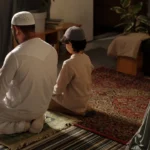
To bring the lesson of Tawaf into our modern, fast-paced lives, we must examine what holds the center of our households. Too often, our days are centered around school schedules, career demands, social commitments, or entertainment, with our daily prayers pushed to whatever leftover time remains. Re-centering our homes means building our daily planners around the five mandatory prayers. It means establishing congregational prayer times in the living room, ensuring that when the time for Salat arrives, the household naturally pauses its activities to align with the divine grid. When children see their parents prioritize prayer over a work deadline or a favorite show, they internalize the true meaning of making Allah the center of their universe.
3. The Stride of Sa’ee: Merging Relentless Effort with Absolute Trust
The ritual of Sa’ee requires pilgrims to traverse the distance between the hills of Safa and Marwa seven times, recreating the desperate, historical search for water by Mother Hajar (AS). Left alone in a barren desert with her crying infant son Ismail, she did not succumb to despair or passive resignation. She climbed the rugged terrain, scanned the horizon, and ran with determination, exhausting every single ounce of human capability available to her. Only after her physical efforts were entirely exhausted did Allah send Angel Jibreel to strike the earth, causing the miraculous, life-giving waters of Zamzam to gush forth.
This dynamic balance between active effort and spiritual reliance (Tawakkul) is a core lesson we emphasize heavily throughout the curriculum of our islamic school in Waterbury. We teach our youth that faith is not an excuse for laziness. Whether preparing for an academic exam, navigating a difficult social dynamic, or pursuing a career ambition, our students are taught to put forth the relentless work ethic of Mother Hajar. We train them to understand that while we are entirely responsible for our efforts, the ultimate results belong to Allah alone. Replicating Sa’ee at home means teaching our families to replace anxiety about the future with targeted, honorable hard work backed by sincere prayer.
4. The Stand at Arafah: Emotional Vulnerability and Radical Repentance
The Day of Arafah is the spiritual zenith of the entire Hajj pilgrimage. On the 9th day of Dhul Hijjah, the vast plains of Arafah fill with millions of pilgrims who stand from noon until sunset, raising their hands to the sky in profound, unfiltered supplication (dua). It is a day where the ego completely dissolves, tears flow freely, and believers confess their deepest shortcomings, begging for divine forgiveness. The Prophet Muhammad (PBUH) taught that there is no day on which Allah frees more souls from the fire than the Day of Arafah.
For those of us at home, the Day of Arafah is our personal day of reckoning and renewal. It is highly recommended to fast on this day, a practice that expiates the sins of both the previous and upcoming year. To truly capture the energy of Arafah from afar, families should clear their schedules during the late afternoon hours. Turn off all digital devices, gather the family in a dedicated quiet space, and engage in heartfelt, individual dua. Encourage your children to speak to Allah in their native language, sharing their fears, expressing their gratitude, and asking for their needs. Teaching children to experience the emotional vulnerability of Arafah builds an intimate, lifelong relationship with their Creator.
5. The Stoning of Jamarat: Conquering the Internal and External Shadows
In the valley of Mina, pilgrims perform the ritual of stoning the Jamarat, casting small pebbles at three large stone pillars. This dramatic rite symbolizes the historic actions of Prophet Ibrahim (AS) when he cast stones at the devil, who repeatedly appeared to tempt him away from fulfilling the commands of Allah. Stoning the pillars is a physical act of defiance, an external declaration that the believer will actively fight against temptation, whisperings of doubt, and moral compromises in their daily lives.
We can bring the profound psychology of the Jamarat into our homes by holding an honest family self-reflection session. Use this time to identify the specific “spiritual pillars” or negative habits that are undermining the peace and righteousness of your household. Whether it is a habit of procrastination, the toxicity of backbiting, uncontrolled anger, or an unhealthy addiction to digital screens, name these challenges clearly. Work collectively to build a practical action plan to “stone” these negative habits, replacing them with positive, values-driven routines that elevate the moral character of the entire home.
Conclusion: The Enduring Transformation
When the pilgrims finally pack their bags and depart from Makkah at the conclusion of Hajj 2026, they return to their homelands with a clean slate, a renewed purpose, and a transformed identity. But the ultimate metric of an accepted Hajj (Hajj Mabrur) is not found in the performance of the rituals themselves; it is found in the positive change seen in the pilgrim’s life *after* they return home.
By consciously integrating these five spiritual signposts within our households, we ensure that our families experience a parallel transformation. Let us utilize this sacred season of Dhul Hijjah to cultivate unshakeable trust, absolute devotion, and boundless compassion within our families, keeping the timeless prophetic legacy of Ibrahim (AS) thriving brilliantly in our daily lives.
Nurturing hearts, refining characters, and grounding families in the prophetic tradition.