In the modern world, our lives are often segmented into two primary locations: the “First Space” (the home) and the “Second Space” (work or school). While these environments are essential for our survival and productivity, sociologists have long argued that human flourishing requires a “Third Space.” This is a communal setting where people can gather, socialize, and find a sense of belonging outside the pressures of domestic life or professional performance. For the Muslim community in Connecticut, the mosque in Waterbury serves as this indispensable third space, acting as an anchor for both spiritual and psychological well-being.
As we navigate an era marked by rising rates of loneliness, anxiety, and digital isolation, the role of the Masjid has evolved. It is no longer just a building for the five daily prayers; it is a sanctuary for mental health. At Masjid Al-Mustafa, we recognize that spiritual health and mental health are deeply intertwined. By providing a space for connection, reflection, and community, we offer a vital service to the residents of Waterbury and the surrounding areas.
1. Combating the Epidemic of Loneliness
Loneliness has been identified as a major public health crisis in recent years, contributing to a range of mental health challenges. In a society that is increasingly “connected” digitally but isolated physically, the Masjid provides a much-needed physical anchor. When a believer enters the Masjid, they are immediately greeted by the Salam—a wish for peace. This simple act of recognition and community helps dissolve the feeling of being “just a number” in a busy world.
For students at our Islamic school in Waterbury, the Masjid environment provides a social safety net. It is a place where they are surrounded by peers and mentors who share their values, creating a sense of “tribe” that is essential for healthy emotional development. This feeling of belonging is a powerful buffer against the social anxieties that many young people face today.
2. The Therapeutic Power of Congregational Prayer
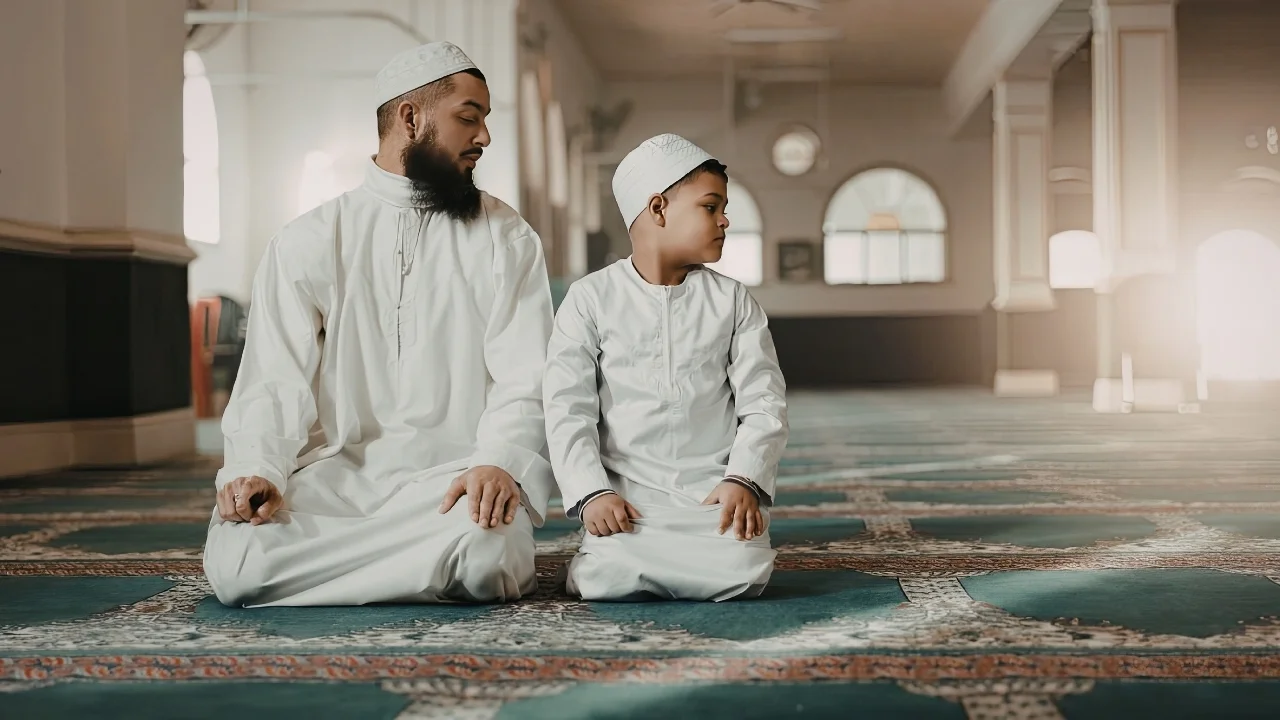
From a mental health perspective, the ritual of Salah (prayer) offers significant psychological benefits. The rhythmic movements, the focus on deep breathing, and the requirement of Khushu (mindfulness) act as a form of “spiritual meditation.” When performed in congregation, these benefits are multiplied. Standing shoulder-to-shoulder with others—regardless of their wealth, race, or status—reinforces a sense of equality and collective support.
The Masjid provides a structured break from the “noise” of life. It is a place where the phone is put away, the deadlines are forgotten, and the heart is allowed to rest. This intentional disconnection from worldly stress and reconnection with the Divine acts as a “reset button” for the nervous system, helping to reduce stress and improve emotional regulation.
3. A Space for Emotional Vulnerability and Dua
One of the most profound aspects of the Masjid as a third space is the permission it gives for vulnerability. In the workplace or even in some social circles, we often feel the need to wear a “mask” of success and composure. However, in the presence of Allah, we are encouraged to be humble and to express our needs and fears through Dua (supplication).
At Masjid Al-Mustafa, we see many community members finding solace in the quiet moments between prayers. The Masjid provides a safe environment to weep, to reflect, and to pour out one’s heart in a way that is deeply cathartic. Knowing that you are in a space dedicated to the Most Merciful (Ar-Rahman) allows for a release of emotional burdens that many people carry in silence.
4. Mentorship and Informal Counseling
While the Masjid is not a replacement for professional clinical help when needed, it serves as a “frontline” for emotional support. Imams, teachers, and community elders often act as informal counselors, providing spiritual guidance that can help individuals navigate grief, marital issues, or life transitions.
At Al-Mustafa Academy, our educators are trained to be mindful of the emotional well-being of their students. By building trusting relationships, we ensure that the youth have a safe space to discuss their struggles. This community-based support system helps identify issues early and provides a framework of hope and resilience rooted in the Quran and Sunnah.
5. The Masjid as a Social Equalizer
Mental health is often impacted by social pressures and the “comparison culture” fostered by social media. The Masjid acts as a powerful equalizer. When the Adhan is called, everyone stands in the same line. This shared identity as servants of Allah reduces the stress of social competition. It reminds us that our value is not determined by our salary or our social status, but by our Taqwa (God-consciousness). This shift in perspective is incredibly liberating and helps foster a more stable and positive self-image.
6. Fostering a Culture of “Sabr” and “Shukur”
The teachings within the Masjid focus heavily on the concepts of Sabr (patience) and Shukur (gratitude). These are not just religious virtues; they are essential tools for mental resilience. By attending lectures and circles at Masjid Al-Mustafa, community members are constantly reminded of the temporary nature of worldly trials and the promise of ease after hardship. This theological framework provides a “meaning-making” system that helps individuals cope with trauma and loss in a way that maintains hope and prevents despair.
Conclusion: More Than a Building
The Masjid is the heartbeat of the Muslim community. As a “third space,” it provides the social, emotional, and spiritual nourishment that our modern world so desperately lacks. By investing in the environment of Masjid Al-Mustafa and the educational mission of Al-Mustafa Academy, we are investing in the long-term mental health and resilience of our families.
We invite you to make the Masjid a regular part of your life. Whether you come to pray, to learn, or simply to find a moment of peace, our doors are open. Let us work together to ensure that our community remains a sanctuary of health, healing, and hope for all.
Masjid Al-Mustafa: A home for your heart, a sanctuary for your soul.