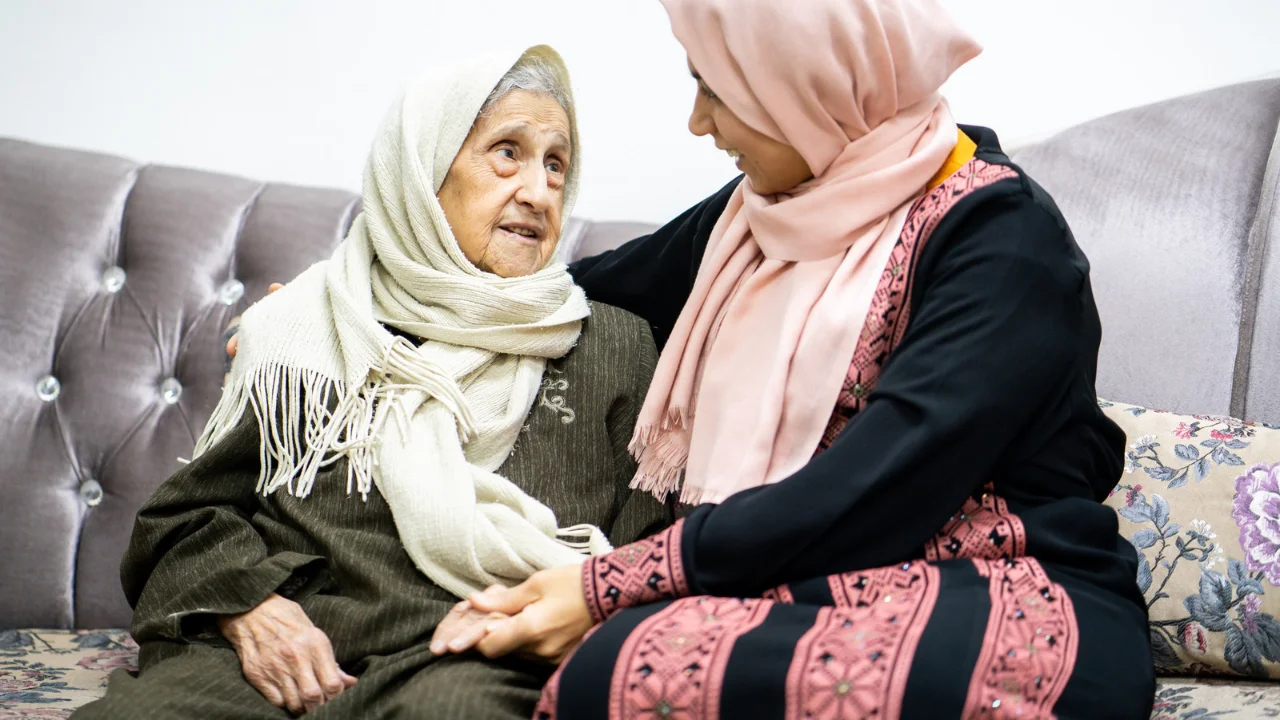
In many modern fast-paced societies, growing old is often accompanied by a quiet, painful struggle with social isolation, loss of independence, and feelings of marginalization. As communities move faster and become increasingly digital, senior citizens can easily find themselves feeling overlooked or disconnected from mainstream daily life. When a culture measures human worth primarily by economic output, physical speed, or digital connectivity, elders are often sidelined rather than cherished for the immense wisdom, sacrifice, and life experience they embody.
Islamic tradition offers a radically different and elevated perspective on growing older. Aging is viewed not as a decline into insignificance, but as a sacred journey of spiritual elevation, wisdom, and dignified honor. The Prophet Muhammad taught that honoring an elderly person is an indirect expression of reverence toward Allah. Fulfilling this divine command requires creating spaces where seniors are actively supported, physically accommodated, spiritually nourished, and deeply valued. As a central community sanctuary, our mosque in Waterbury remains dedicated to preserving this prophetic legacy by ensuring our community elders receive the dignity, love, and active care they so richly deserve.
1. The Prophetic Mandate of Reverence and Care for Seniors
In Islamic ethics, respect for elders is not merely a social courtesy; it is a fundamental religious duty. The Quran places kindness to aging parents immediately after the command to worship God alone, emphasizing that caring for seniors during their vulnerable years is a primary door to divine mercy. The Prophetic Sunnah further expands this duty to include all elders within the broader community, warning that anyone who does not show mercy to the young and honor the elderly is not truly following the prophetic path.
This sacred mandate shapes how a Muslim community treats its pioneer generations. Elders are recognized as the living foundational pillars of our families and institutions. They are the ones who built our centers, sacrificed personal comfort to establish clean communal spaces, and preserved the light of faith for their children and grandchildren. Honoring senior citizens means surrounding them with active care, listening attentively to their advice, and ensuring they never feel like a burden to the community they helped build.
2. Accessible Facilities and Adaptive Worship Environments
Honoring senior members begins with practical, physical hospitality. As mobility, hearing, and physical stamina change with age, visiting a place of worship should remain comfortable, safe, and stress-free. If a senior struggles with steep stairs, slippery walkways, or lack of proper seating, physical barriers can quickly turn into emotional barriers, causing them to withdraw from congregational life.
Masjid Al-Mustafa prioritizes accessibility across all facility planning. From barrier-free entryways and ramp access to well-lit parking spaces and specialized seating in the main prayer halls, every detail is designed to accommodate physical needs. Restrooms and ablution areas are equipped with supportive handrails and non-slip surfaces to ensure safety and independence. By removing physical obstacles, we ensure that our elders can attend daily congregational prayers, Friday services, and community gatherings with complete comfort and peace of mind.
3. Spiritual Companionship and Lifelong Islamic Learning
Retirement and the golden years offer a unique spiritual opportunity. With daily career demands easing, seniors often desire to dedicate more time to Quranic study, spiritual reflection, and deepening their understanding of faith. However, educational programs must be tailored to their pace, physical comfort, and unique life perspectives.
The center offers dedicated study circles, Quran recitation groups, and morning halaqahs designed specifically for senior members. These gatherings provide a gentle, engaging environment where elders can review sacred texts, share reflections, and engage in meaningful spiritual discussions. Having a consistent routine centered around divine remembrance gives structure to the week, rejuvenates the soul, and provides a continuous sense of spiritual purpose during the golden years of life.
4. Countering Isolation Through Active Social Connection
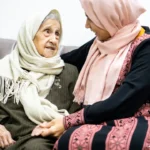
Loneliness is one of the most severe health risks facing seniors today, often contributing to physical decline and emotional depression. As children grow up and busy work schedules take over households, older adults can spend long hours in quiet solitude. A vibrant house of worship acts as a powerful antidote to this isolation, providing a warm, family atmosphere where no one ever has to feel alone.
Regular senior breakfasts, informal tea gatherings, and interfaith social events bring elders together to build lasting friendships. Sitting together after morning or evening prayers to catch up on news, share family stories, and exchange memories creates a vibrant social network. For seniors who may be homebound due to temporary illness or mobility challenges, community volunteer teams organize regular home visits and check-in calls, ensuring that every elder remains tightly connected to the heart of the community.
5. Bridging Generations: Passing Down Wisdom to the Youth
A healthy community preserves a strong, continuous link between its oldest and youngest generations. Seniors possess an invaluable reservoir of life experience, patience, historical perspective, and resilience that cannot be learned from textbooks or internet searches. Conversely, young people bring energy, technological skill, and enthusiastic companionship that brightens the lives of older adults.
Intergenerational programs at Masjid Al-Mustafa create structured opportunities for youth and elders to interact and collaborate. Younger community members assist seniors with digital literacy, smartphone navigation, and transportation, while elders mentor youth, share personal history, and teach classical Quranic recitation. This mutual exchange fosters deep respect in the hearts of the youth and gives seniors the profound joy of knowing their wisdom lives on in the next generation.
Conclusion: A Living Testimony of Gratitude and Respect
How a community treats its eldest members is a true test of its moral integrity and spiritual health. Our elders are not a generation of the past; they are our guides in the present and the foundation of our future.
Masjid Al-Mustafa remains committed to upholding the sacred dignity of aging by providing an accessible, loving, and spiritually uplifting sanctuary for every senior. By surrounding our elders with honor, care, and active companionship, we fulfill our prophetic duty and draw down divine blessings upon our entire community for generations to come.
Honoring our pioneers, treasuring their wisdom, and nurturing sacred dignity at every stage of life.