The home is the foundational unit of any thriving society. In Islamic tradition, a household is far more than just a shared physical shelter; it is meant to be a sanctuary of peace (Sakinah), unconditional love (Mawaddah), and deep mercy (Rahmah). When homes are grounded in these Quranic principles, children grow up emotionally secure, spouses navigate life’s challenges with mutual respect, and the broader community flourishes. However, maintaining a tranquil household in the modern world is no simple task. Contemporary families face an unprecedented array of external pressures, including financial stress, digital distractions, work-life imbalances, and shifting cultural standards that can strain even the strongest relationships.
Building and sustaining a harmonious family life requires ongoing effort, wise counsel, and a supportive environment. Families cannot thrive in isolation; they need a spiritual and social home base where they can recharge, learn practical skills, and seek guidance rooted in divine wisdom. Serving as a central mosque in Waterbury, Masjid Al-Mustafa fulfills this critical role by providing comprehensive family services, marital guidance, parenting workshops, and intergenerational programs designed to fortify the Muslim home from the inside out.
1. Marital Harmony: Nurturing Love and Mercy in Modern Relationships
A strong, peaceful marriage is the anchor of a healthy family. When spouses enjoy a loving, respectful partnership, children feel secure, and the entire household atmosphere becomes a source of emotional comfort. Yet, every marriage experiences natural seasons of difficulty, miscommunication, and stress. Without proper communication tools and spiritual grounding, minor misunderstandings can gradually turn into persistent friction, creating emotional distance between partners.
Masjid Al-Mustafa actively supports couples at every stage of their marital journey. Through pre-marital counseling, prospective couples learn about rights, responsibilities, and practical expectations before taking their vows. For established couples, the center offers confidential marital mediation and enrichment seminars focused on active listening, conflict resolution, and applying the compassionate example of the Prophet Muhammad (PBUH) in daily life. By reminding spouses to view their relationship as a shared journey toward Allah, marital challenges are transformed into opportunities for spiritual growth and deeper mutual understanding.
2. Prophetic Parenting: Raising Resilient Children in a Digital World
Parenting today is vastly different from previous generations. Parents are tasked with guiding children who are growing up in a hyper-connected digital landscape filled with social media pressures, screen addiction, and competing moral philosophies. Many parents feel overwhelmed, wondering how to instill strong Islamic values, authentic confidence, and noble character in their children while maintaining an open, affectionate relationship at home.
To support mothers and fathers in this crucial responsibility, Masjid Al-Mustafa hosts regular parenting workshops that merge classical prophetic wisdom with modern developmental psychology. Parents learn effective strategies for positive discipline, digital boundary setting, and fostering open dialogue with teenagers. Rather than relying on harshness or emotional distance, the programs emphasize the prophetic model of parenting, which is built on warmth, active listening, gentle encouragement, and leading by personal example. When parents feel equipped and supported, the home becomes a safe harbor where children can voice their questions and thrive emotionally.
3. Aligning the Home with Faith-Centered Education
A child’s moral development reaches its highest potential when the values taught at home are consistently reinforced in their daily learning environment. If a child receives one set of ethical lessons from their parents but spends forty hours a week in an environment completely detached from those values, an internal conflict can arise. Children need consistency between their home life, their social circles, and their academic journey to develop a confident, unified identity.
This essential alignment is achieved through our close collaboration with our local islamic school in Waterbury. By integrating high academic standards with daily Quranic education, Arabic instruction, and character building, this educational environment works hand-in-hand with parents. Children learn that academic excellence in mathematics, science, and literature is an act of worship, while practicing modesty, honesty, and kindness with their peers. This partnership between home and school ensures that children grow up with a clear moral compass and the academic skills needed for future success.
4. Bridging the Generational Divide Through Shared Community Life
Another common strain in modern households is the growing disconnect between different generations. Elders often feel isolated or misunderstood, while youth may feel that older generations do not grasp the unique social pressures of growing up in the West today. When communication breaks down between grandparents, parents, and youth, the rich heritage of family wisdom is lost, and young people lose an important emotional anchor.
Masjid Al-Mustafa actively bridges this gap by creating opportunities for intergenerational connection. Family potlucks, community service projects, holiday celebrations, and joint study circles bring together community members of all ages under one roof. Elders share their life experience and spiritual wisdom, while youth contribute their energy and technical talents. Experiencing the warmth of an extended spiritual family helps young people appreciate their elders, while giving parents a broader network of trusted community members who can mentor and encourage their children.
5. The Home as a Place of Dhikr and Congregational Worship
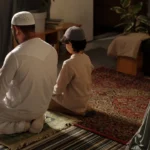
While the mosque serves as the primary hub for community life, a crucial aspect of family enrichment involves bringing the spirit of the mosque back into the home. A Muslim household should not merely be a place for eating and sleeping; it should be a living space filled with the recitation of the Quran, regular prayers, and sincere supplication (Dua).
Through regular educational halaqahs, Masjid Al-Mustafa encourages families to establish daily spiritual routines together at home. Gathering the family for even fifteen minutes a day to pray together in congregation, read a short portion of the Quran, or discuss a story from the life of the Prophet Muhammad (PBUH) invites divine light and blessings into the household. When children see their parents regularly prioritizing prayer and Quranic reflection at home, faith transforms from an abstract concept into a natural, cherished way of life.
Conclusion: Investing in the Foundation of Our Community
Every healthy, vibrant community is built upon a network of strong, peaceful, and compassionate homes. When we invest time, energy, and resources into nurturing marriages, equipping parents, and educating youth, we build a resilient foundation capable of withstanding any societal challenge.
Masjid Al-Mustafa remains deeply committed to standing alongside every household in our area. By offering accessible counseling, practical workshops, educational partnerships, and a warm community environment, the center continues to empower families to build homes filled with peace, love, and lasting faith for generations to come.
Nurturing love in our hearts, peace in our homes, and strength in our community.