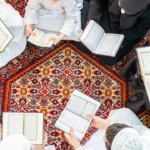
As the crescent moon for Ramadan 2026 approaches, the air in Connecticut begins to shift. For the community at the Masjid Al-Mustafa, this month is not merely a change in diet; it is a profound spiritual reset. In the hustle and bustle of modern life, Ramadan offers a rare opportunity to disconnect from the noise and reconnect with the Creator.
Preparation is the key to a successful Ramadan. Without a plan, the days can slip through our fingers. This comprehensive 2026 Ramadan Planner is designed to help you organize your spiritual goals, community obligations, and family life, ensuring you leave the month transformed.
The Spiritual Significance of Ramadan 2026
In 2026, Ramadan falls during the late winter months. This presents a unique opportunity for believers. The shorter days make fasting more manageable, while the long, quiet nights are perfect for Tahajjud and deep Quranic reflection.
At Masjid Al-Mustafa, we believe that the foundation of a successful Ramadan is Niyyah (intention). Whether you are a student or a busy professional, setting specific, measurable goals for your Ibadah (worship) will help you maintain consistency throughout the 30 days.
1. Pre-Ramadan Preparation: The “Rajab and Sha’ban” Phase
The Sahaba (companions of the Prophet) used to prepare for Ramadan six months in advance. To make the most of 2026, start now:
- Voluntary Fasts: Use the remaining days of Sha’ban to fast on Mondays and Thursdays.
- Quran Habit: Don’t wait for the first night of Taraweeh to open the Quran. Start with five minutes a day to build “spiritual stamina.”
- Debt Clearance: Ensure any missed fasts from last year are made up before the new moon is sighted.
2. Setting Your 2026 Spiritual Goals
A planner is only effective if it has clear targets. Divide your goals into three categories:
A. The Fundamentals (The “Fard”)
- Five Daily Prayers: Aim to pray every Salah on time, preferably at the Masjid.
- Taraweeh: Commit to attending nightly prayers at the Masjid Al-Mustafa.
- Zakat: Ramadan is a traditional time for many to calculate and distribute their wealth to the needy.
B. The Sunnah and Nawafil
- Tahajjud: Even if it’s just 10 minutes before Suhoor, the pre-dawn prayer is a time of immense acceptance.
- Dhikr: Keep your tongue moist with the remembrance of Allah during your commute through Waterbury.
C. Character (Akhlaq)
- The “Tongue Fast”: Aim to eliminate backbiting, lying, and idle gossip.
- Patience: Ramadan is a school of self-restraint. Practice patience with family, colleagues, and in traffic.
3. Weekly Breakdown: A Journey of Three Stages
The Prophet (SAW) described Ramadan in three parts: Mercy, Forgiveness, and Protection from the Fire.
Week 1: Mercy (Days 1–10)
Focus on establishing your routine. Adjust your sleep schedule to accommodate Suhoor and Isha. This is the week to engage heavily with the Quran. If your children attend Al-Mustafa Academy, encourage them to share what they are learning about the virtues of fasting.
Week 2: Forgiveness (Days 11–20)
As the initial excitement settles, the “mid-Ramadan slump” can hit. This is when consistency matters most. Focus on Istighfar (seeking forgiveness). Use this time to mend broken relationships and reach out to community members at the Masjid Al-Mustafa.
Week 3: Protection (Days 21–30)
The final ten nights contain Laylatul Qadr (The Night of Power). This is the “sprint” to the finish line. Increase your charity, spend more time in Itikaf (seclusion in the mosque), and pray for the Ummah globally.
4. Ramadan for Families and Children

One of the most beautiful aspects of the month is seeing the youth involved. For parents with children in local schools, integrating Ramadan into their daily lives is essential.
If you are looking for an environment that reinforces these values, our Islamic school in Waterbury provides the necessary peer support and academic balance. Children learn that fasting is not just about hunger; it’s about discipline and empathy for those less fortunate.
Activities for Kids in Waterbury:
- Good Deed Jar: Have your child do one small act of kindness for a neighbor in Watertown or Naugatuck every day.
- Iftar Prep: Let them help prepare the dates and water for breaking the fast.
- Masjid Visits: Bring them to Masjid Al-Mustafa for the shorter Taraweeh sets so they feel a sense of belonging.
5. Nutrition and Physical Well-being
Fasting in the winter of 2026 requires a focus on hydration.
- Suhoor: Choose slow-release carbohydrates like oats, dates, and proteins. Avoid overly salty foods that cause thirst during the day.
- Iftar: Break your fast with dates and water, as is the Sunnah. Avoid the “fried food trap” to ensure you have energy for Taraweeh.
- Fitness: Gentle walking around local Waterbury parks can help keep the metabolism active without causing exhaustion.
6. Community and Charity (Zakat and Sadaqah)
Ramadan is a month of extreme generosity. Our Mosque in Waterbury serves as a hub for local charity.
- Feed a Fasting Person: Participate in our community Iftars.
- Support Education: Consider donating to the Masjid Al-Mustafa to ensure the next generation of Muslims is well-grounded in their faith.
- Local Impact: Look for ways to help our neighbors in the Greater Waterbury area, including Prospect, Wolcott, and Middlebury.
7. Maximizing the Final Ten Nights
The “Night of Power” is better than a thousand months. In 2026, these nights will fall in early March.
- Prepare a Dua List: Write down everything you want to ask Allah for—for yourself, your family, your deceased loved ones, and the world.
- Unplug: Try to stay off social media during the final ten nights to keep your heart focused on the Divine.
- Itikaf: If your schedule allows, spend time in the Mosque in Waterbury for a spiritual retreat.
8. Looking Ahead: Eid-ul-Fitr 2026
As the month draws to a close, we prepare for the celebration of Eid. It is a day of gratitude. Ensure you pay your Zakat-ul-Fitr before the Eid prayer so that the less fortunate can also celebrate.
Conclusion: Why Planning Matters
A Ramadan without a plan is often a Ramadan of missed opportunities. By setting your intentions today, you are telling Allah that you value His month and you are ready to receive His blessings.
At Masjid Al-Mustafa, we are here to support your journey. Whether through our nightly prayers, our community programs, or the educational foundation provided by our Islamic school in Waterbury, our goal is to help every Muslim in Connecticut reach their full spiritual potential.
May Allah allow us to reach Ramadan 2026, accept our fasting, and forgive our shortcomings. Ameen.
Ramadan 2026 Checklist for Waterbury Residents:
-
[ ] Sync your calendar with the Masjid Al-Mustafa prayer schedule.
-
[ ] Register your children for Ramadan youth programs at the Al-Mustafa Academy
-
[ ] Meal prep Suhoor items for the first week.
-
[ ] Set a daily Quran reading goal (e.g., 1 Juz per day).
-
[ ] Identify three specific character traits to improve.